September 19, 2026
Recognizing the subtle signs of a compromised home is essential for every homeowner, and few components are as critical to structural integrity as your overhead shelter. Small issues, when left unattended, quickly turn into expensive structural nightmares. Understanding when to seek professional assistance ensures your home remains safe, dry, and energy-efficient throughout every season. Knowing when to look into a local roof repair can save you thousands of dollars while preserving the overall market value of your property.
Understanding the Age of Your Roof
Every building material has a designated lifespan, and residential roofing is no exception. Traditional asphalt shingles generally last between fifteen and twenty-five years depending on climate, ventilation, and material quality. Aging systems gradually lose their ability to shed water efficiently as protective granules wear off over time. According to the Freedonia Group, the majority of homes in the U.S. are at least 40 years old, which leaves many in need of roof repairs to preserve their structural integrity. If your home falls into this age bracket and hasn't received a complete overhaul recently, scheduling an inspection for a local roof repair should be a top priority. Regular updates and targeted fixes ensure an aging structure can withstand harsh climate conditions without developing unexpected structural failures.
Identifying Visible Exterior Damage
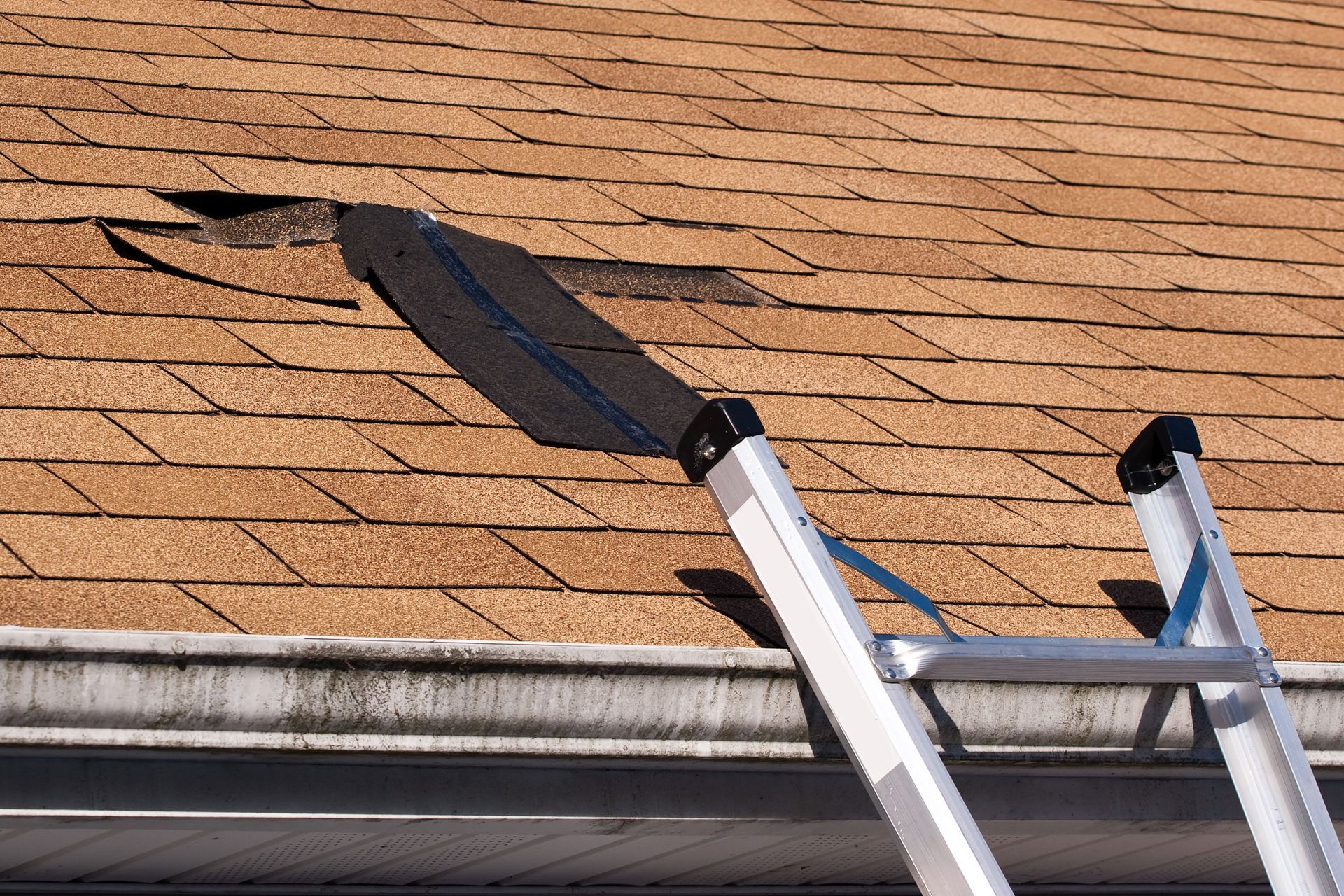
You do not need to climb onto your house to spot early warning indicators. A simple visual inspection from the ground using binoculars can reveal critical surface issues. Look closely at the surface pattern for missing, cracked, curling, or buckling shingles. When shingles warp or lift, wind-driven rain easily penetrates the underlayment beneath. Granule loss is another subtle indicator that your shelter is weakening. Check your gutter outlets and downspouts for dark, sand-like debris accumulated after heavy storms. A quick monthly walkthrough of your yard after bad weather can help you identify broken materials before they cause secondary water damage. When the protective outer layer wears away, exposed asphalt degrades rapidly under harsh solar rays. Spotting these physical blemishes early is a clear signal that contacting a specialist for a local roof repair will prevent widespread moisture damage to the interior framework.
Spotting Interior Water Marks and Stains
Interior symptoms often represent advanced issues that require immediate professional attention. Yellow, brown, or dark water stains on ceilings and interior walls are obvious indicators of active moisture penetration. These spots often appear after prolonged precipitation or heavy snowmelts and may grow slowly over time. Check your attic space periodically, especially after severe weather events. Look for damp insulation, dark wood rot on rafters, or daylight shining through structural joints. Pay extra attention to dark corners of your attic where standing water and mold tend to develop silently. Water rarely travels in a straight line, so an attic leak can originate far from where the stain appears inside your living area. Promptly arranging for a local roof repair helps isolate the true entry point of water before mold and mildew begin colonizing your living space.
Noticing High Utility and Energy Bills
An unexpected surge in monthly heating or cooling costs often points toward attic ventilation and insulation issues tied directly to overhead damage. Your house functions as a sealed system, and the overhead structure plays a vital role in regulating indoor temperatures. When seals fail, air barriers break down, or flashing gaps open up, conditioned air escapes while outside air leaks inside. This forces your heating and air conditioning system to work significantly harder to maintain a comfortable environment. If your utility expenses spike without a change in household usage, underlying moisture or ventilation failures could be the primary culprit. Investing in a local roof repair restores proper thermal performance, lowers monthly utility bills, and reduces unnecessary wear on your HVAC equipment.
Managing Storm and Extreme Weather Impact
Severe weather events represent one of the most common catalysts for sudden home damage. High winds easily lift unsecured shingles, bend flashing around chimneys, and toss heavy tree branches onto delicate surfaces. Hail strikes knock protective mineral granules off shingles, leaving small indentations that weaken the waterproof barrier. Winter blizzards bring ice dams, which occur when snow melts on warmer upper sections and refreezes near colder eaves. This trapped ice forces backing water up under shingles, leading to severe internal leaks and damaged soffits. Following any major storm, performing a thorough visual check around your perimeter is crucial. Finding missing materials or storm debris on your lawn means it is time to schedule a local roof repair to secure vulnerable areas before the next weather front arrives.
Evaluating Flashing and Penetration Failures
The most vulnerable parts of any home overhead system are the points where different surfaces meet. Roof flashing consists of thin metal pieces installed around chimneys, skylights, dormers, and vent pipes to divert water away from critical joints. Over time, metal flashing can rust, warp, or pull away from joint seals due to temperature fluctuations and natural house settling. Caulking around roof vents and pipe boots degrades and cracks under constant exposure to ultraviolet rays. Even minor breaches in sealants around skylights can lead to hidden ceiling damage and structural decay over time. When these protective seals fail, water channels directly into the underlying subfloor and interior wall cavities. Having a professional inspect these critical junctions as part of a local roof repair ensures that sealants and metal barriers remain watertight year after year.
Addressing Sagging Decking and Structural Stress
A drooping or sagging roofline is a severe issue that demands urgent professional intervention. Healthy rooflines present straight, crisp geometry along ridgelines and eaves. A dip or visible curve usually indicates rotting plywood decking beneath or compromised structural framing underneath. Long-term water leaks soften wooden support beams, while trapped moisture causes ceiling boards to swell, warp, and lose structural load capacity. Accumulations of heavy winter snow or thick ice layers can exacerbate sagging areas, creating a catastrophic collapse hazard. If you notice any dipping or uneven contours along your roofline, do not delay action. Booking an immediate evaluation for a local roof repair will determine whether structural reinforcements, decking replacements, or localized framing fixes are needed to stabilize your home.
Evaluating Moss and Algae Growth
Green growth, dark streaks, and moss accumulation on shingles might look like cosmetic defects, but they cause real structural harm. Moss acts like a dense sponge, holding onto moisture right against the surface for days after rain stops. In freezing climates, this trapped water expands and contracts, cracking shingles and lifting them off the decking. Dark algae streaks absorb solar heat, drying out asphalt and making shingles brittle over time. Catching moss growth during its initial stages allows for gentle, eco-friendly treatments that won't compromise your shingle integrity. Cleaning these organic growths with high-pressure washers can strip away granules and cause more harm than good. A trained technician performing a local roof repair can safely treat organic growth, replace damaged underlying materials, and install zinc or copper strips to prevent future moss and algae from taking root.
Maintaining a safe home requires a proactive approach to property maintenance rather than waiting for an emergency. Paying attention to structural age, subtle exterior blemishes, interior water marks, and rising energy bills allows you to address minor maintenance concerns before they evolve into major financial burdens. A well-maintained structure provides essential peace of mind, protecting your family, your personal belongings, and your overall financial investment. Taking action at the first sign of trouble ensures your shelter remains strong, secure, and fully equipped to withstand whatever weather comes next. Contact Complete Roofing & Repair today to schedule your comprehensive roof inspection and protect your home for years to come.