November 12, 2026
Hailstorms can cause significant damage to roofing materials, even when the effects are not immediately noticeable from the ground. Small dents, cracked shingles, and weakened protective surfaces can eventually lead to leaks and other costly problems. Knowing when to schedule a roof repair service after a hailstorm helps homeowners address damage before it worsens. A timely inspection can also identify hidden issues and determine which repairs are necessary to protect the home.
Inspecting the Roof as Soon as the Storm Passes
Once a hailstorm has passed and conditions are safe, homeowners should begin looking for potential signs of roof damage. Even relatively small hailstones can affect roofing materials, particularly when accompanied by strong winds or prolonged precipitation.
Although homeowners should avoid climbing onto the roof themselves, several warning signs can be identified from the ground. These include:
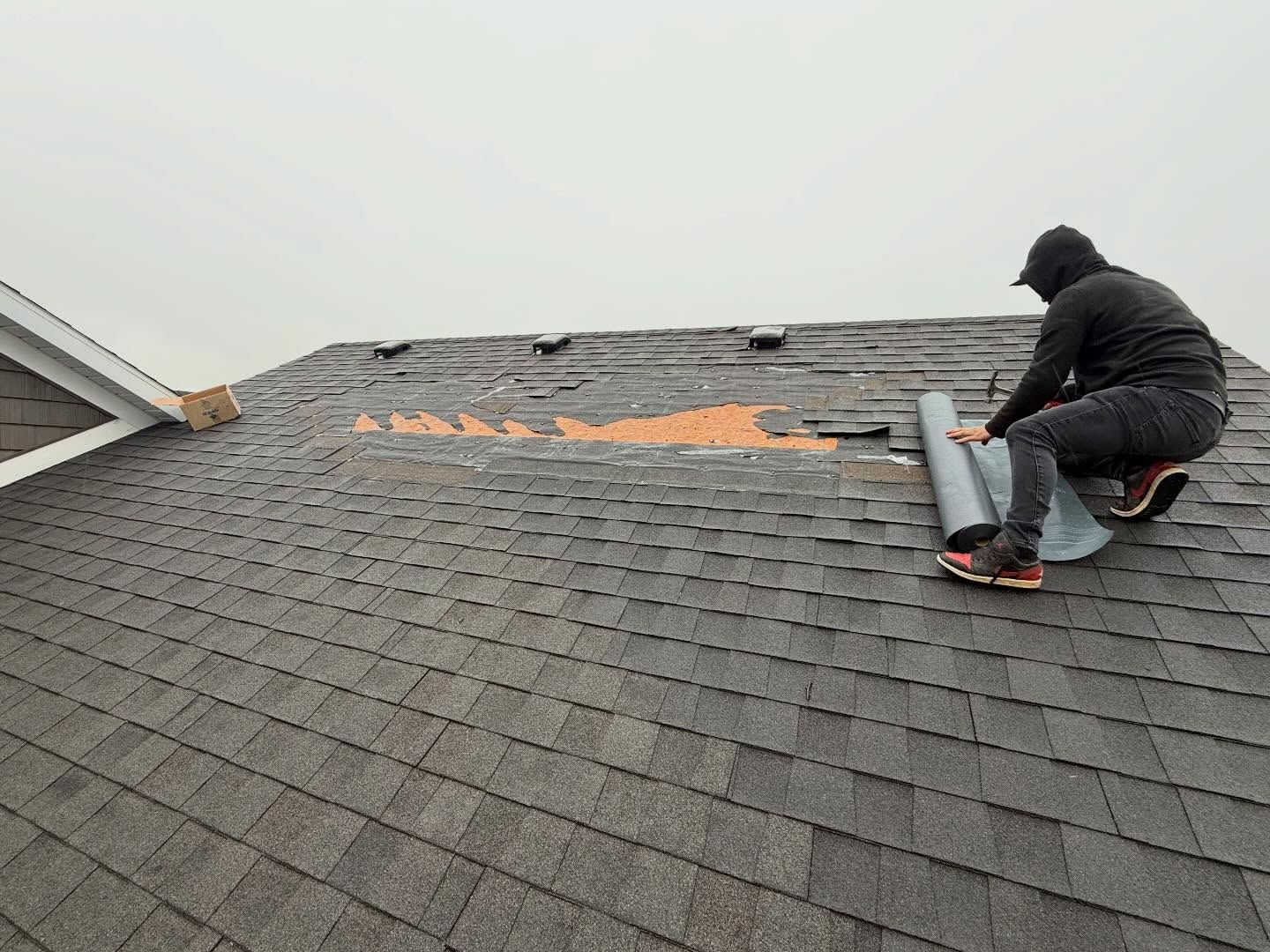
- Missing or Displaced Shingles: Strong winds and hail can loosen roofing materials, leaving portions of the roof exposed.
- Dents on Metal Components: Gutters, flashing, and roof vents may show visible dents after significant hail exposure.
- Shingle Debris: Finding pieces of roofing material around the yard or near downspouts may indicate damage.
- Damaged Gutters: Dents, loose sections, and accumulated roofing granules can suggest that the storm affected multiple parts of the roofing system.
If any of these signs appear, homeowners should contact a professional to arrange an inspection. Scheduling a roof repair service early can help prevent further moisture intrusion and ensure that damage is properly evaluated.
Scheduling an Inspection Within a Few Days
Homeowners do not necessarily need to wait until a leak develops before contacting a roofing professional. In fact, scheduling an inspection within a few days of a hailstorm is a practical way to identify damage before it becomes more serious.
Hail can create small cracks, loosen shingle granules, and weaken protective surfaces without leaving obvious signs from the ground. These issues may allow water to penetrate the roofing system during subsequent rainfall.
A professional inspection helps identify damage that homeowners might otherwise overlook. The roofer can examine shingles, flashing, roof valleys, vents, and other vulnerable areas to determine whether repairs are necessary.
According to the Insurance Information Institute, the National Weather Service documented 5,432 hail events involving hailstones measuring at least one inch in diameter across the United States. This demonstrates how frequently significant hailstorms can affect properties and why homeowners should take post-storm inspections seriously.
Promptly arranging a roof repair service also gives homeowners an opportunity to document damage while the storm is still fresh. This documentation may be useful when communicating with an insurance company.
Responding Immediately to Active Leaks
Some types of hail damage require more urgent attention than others. If water begins entering the home after a storm, homeowners should contact a roofing professional as soon as possible rather than waiting for a routine inspection.
Active leaks can damage ceilings, insulation, drywall, flooring, and personal belongings. Moisture may also affect wooden structural components if it remains unaddressed.
Common signs that a roof leak requires immediate attention include:
- Water dripping from ceilings or light fixtures.
- New brown or yellow stains appearing on interior surfaces.
- Damp insulation or visible moisture in the attic.
- Peeling paint or bubbling drywall.
- Musty odors that develop after the storm.
If water is entering the home, homeowners should move furniture and valuables away from affected areas when it is safe to do so. They should also avoid touching wet electrical fixtures or attempting repairs during dangerous weather conditions.
A professional roof repair service can assess the damage, determine the source of the leak, and recommend appropriate solutions. Addressing active leaks quickly helps limit secondary damage and reduces the likelihood of more extensive repairs.
Checking for Delayed Signs of Hail Damage
Not all hail damage becomes apparent immediately after a storm. Some problems develop gradually as weakened roofing materials are exposed to additional rain, wind, and changing temperatures.
For example, hail impacts may loosen protective granules on asphalt shingles. These granules help shield the underlying material from sunlight and weather exposure. When enough granules are lost, shingles may deteriorate more quickly and become increasingly vulnerable to moisture.
Homeowners should monitor their properties for delayed warning signs, including:
- Granules collecting in gutters or near downspouts.
- New discoloration or dark spots on shingles.
- Water stains developing on ceilings or walls.
- Shingles that appear uneven, cracked, or deteriorated.
- Changes in attic moisture or ventilation conditions.
Even if the roof appears intact immediately after the storm, these warning signs should not be ignored. Scheduling a follow-up inspection can help determine whether the roofing system has sustained damage that requires professional attention.
A knowledgeable roofing contractor can distinguish between normal wear and storm-related deterioration, helping homeowners make informed repair decisions.
Coordinating Roof Repairs With Insurance Claims
After a significant hailstorm, homeowners may need to contact their insurance company to determine whether their policy covers the damage. Reviewing the claims process early can help prevent unnecessary delays and ensure that important documentation is available.
Before beginning major repairs, homeowners should consider photographing visible damage from safe locations. They should also keep records of the storm date, inspection findings, and any communications with their insurance provider.
The claims process may involve several steps:
- Reviewing Coverage: Check the insurance policy to understand applicable coverage, deductibles, and reporting requirements.
- Documenting Damage: Gather photographs, inspection reports, and other relevant information.
- Scheduling an Inspection: Arrange for a qualified roofing professional to evaluate the property's condition.
- Communicating With the Insurer: Follow the insurance company's instructions regarding inspections, estimates, and repair authorization.
Homeowners should avoid delaying necessary protective measures while waiting for a claim decision. Temporary measures may be appropriate to prevent additional water intrusion, provided they can be completed safely.
Working with an experienced roofing company can help homeowners understand the condition of their roof and obtain information about the repairs needed.
Choosing a Qualified Roofing Contractor
Selecting the right contractor is another important step after a hailstorm. Storm damage can involve more than replacing a few shingles, so homeowners should look for professionals who understand how hail affects different roofing materials and components. Hiring an experienced roof repair service can help ensure that damage is properly evaluated and that recommended repairs address the roof's specific needs.
Before hiring a contractor, consider the following:
- Experience handling hail and storm-related roof damage.
- Proper licensing and insurance, where required.
- Clear written estimates outlining recommended repairs.
- References or examples of previous roofing projects.
- Willingness to explain inspection findings and answer questions.
Homeowners should also be cautious of contractors who pressure them into signing agreements immediately after a storm or promise that insurance will cover every repair. Taking time to compare estimates and verify credentials can help prevent rushed decisions and unexpected costs. A qualified professional should communicate clearly, explain the scope of the work, and provide realistic expectations for the repair process.
Complete Roofing & Repair provides professional roofing services to help homeowners address roofing concerns and maintain the condition of their properties. Its team can help identify damage and determine appropriate solutions based on the roof's condition.
Protecting Your Roof After a Hailstorm
Knowing when to schedule a roof repair service after a hailstorm can make a significant difference in protecting your home. While active leaks require immediate attention, even less obvious damage should be evaluated within a reasonable timeframe. Professional inspections help identify weakened shingles, damaged flashing, and other problems before they lead to more extensive deterioration.
Homeowners should also document storm damage, understand their insurance requirements, and choose qualified professionals for necessary repairs. Contact Complete Roofing & Repair today to schedule a roof inspection or discuss your roof repair service needs after a hailstorm.