July 20, 2026
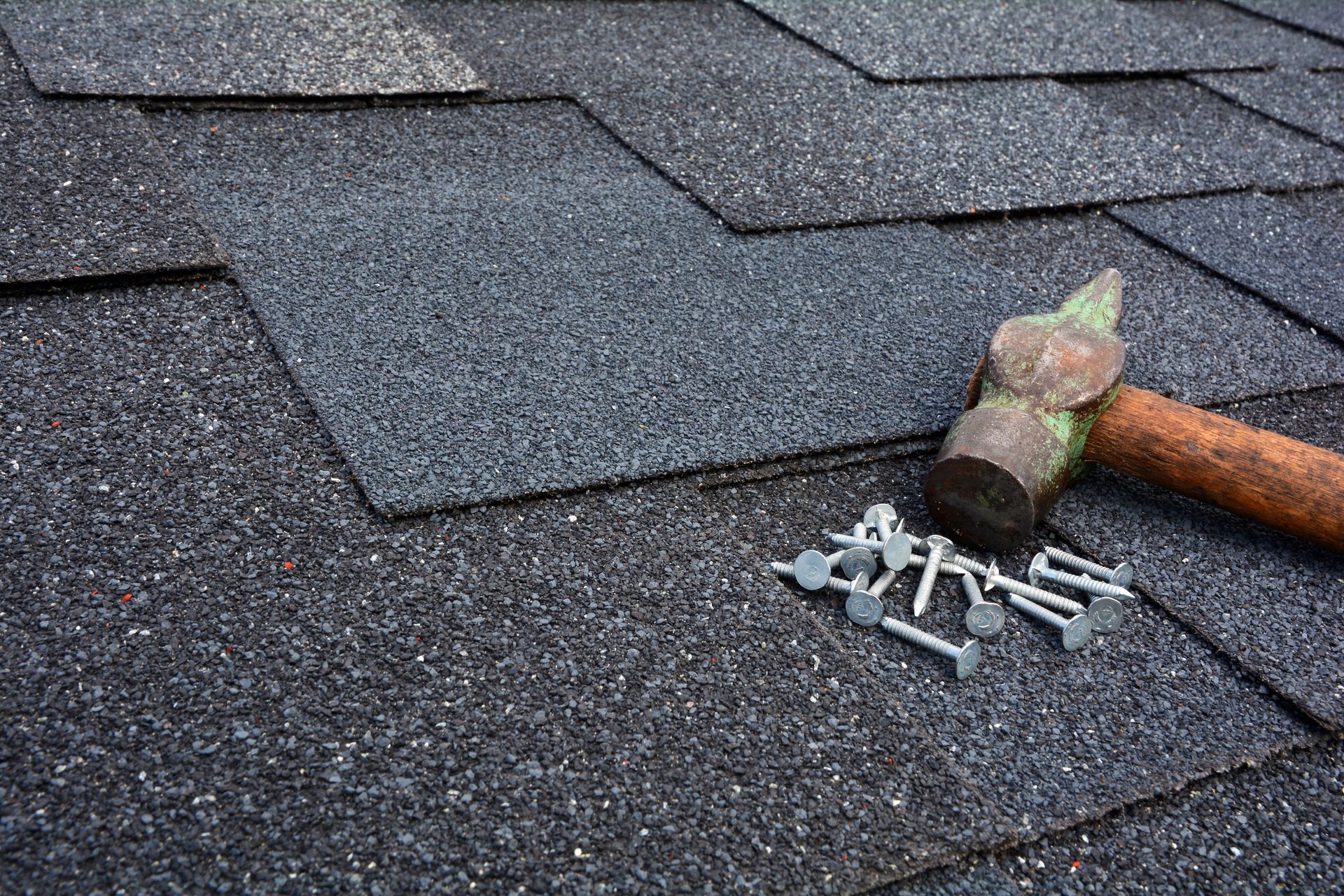
Asphalt shingles remain the go-to choice for homeowners across the country, offering an appealing combination of affordability, durability, and straightforward installation that has made them a staple of residential roofing for decades. Despite their popularity and generally reliable performance, asphalt shingle roofs still face a variety of potential threats that can lead to damage over time, making it important for homeowners to understand what to watch for. Recognizing these common causes of damage early can help homeowners seek prompt roof repair services before minor issues develop into more significant, costly problems. Given how widely used this material remains, understanding its specific vulnerabilities matters to a large portion of homeowners. According to RubyHome, asphalt shingles are the most common roofing material, used in about 80% of roofing projects, meaning most homeowners will likely need to understand these particular maintenance considerations at some point. Below, we'll explore the most common causes of asphalt shingle roof damage that homeowners should be aware of.
1. Severe Weather and Storm Damage
High winds, hail, and heavy rainstorms represent some of the most common causes of significant asphalt shingle damage, capable of causing anything from minor granule loss to complete shingle removal in more severe cases. Wind can lift and loosen shingles, particularly along roof edges and ridges where wind pressure tends to concentrate most intensely, sometimes causing shingles to crack or detach entirely. Hailstorms can create noticeable impact damage, dislodging protective granules and potentially cracking the underlying shingle material, weakening its ability to properly shed water. Homeowners in regions prone to severe weather should schedule prompt roof inspections following major storms, addressing any resulting damage through professional roof repair services before minor issues have the chance to worsen. This weather-related vulnerability represents one of the most common and significant threats facing asphalt shingle roofs throughout their expected lifespan.
2. Prolonged Sun Exposure and UV Damage
Constant exposure to sunlight gradually breaks down the protective oils and asphalt within shingles over time, leading to increased brittleness, cracking, and premature aging, particularly on roof sections that receive the most direct sun exposure throughout the day. This UV-related deterioration often shows up as curling or cracking shingles, along with a gradual loss of the protective granules that help shield the underlying material from further sun damage. Homes in particularly sunny climates or regions with intense summer heat often experience this type of wear more quickly than properties in more moderate climates. Regular roof inspections can help catch this gradual sun damage before it leads to leaks or more significant structural concerns, allowing homeowners to address issues through timely roof repair services. This ongoing environmental wear represents a natural, unavoidable challenge that all asphalt shingle roofs eventually face to some degree.
3. Poor Ventilation and Attic Moisture
Inadequate attic ventilation can lead to excess heat and moisture buildup beneath the roof surface, contributing to premature shingle deterioration, warping, and even mold growth within the attic space itself. This trapped heat can cause shingles to age more quickly than they would under proper ventilation conditions, essentially accelerating the natural wear process discussed regarding sun exposure. Additionally, excess moisture trapped within a poorly ventilated attic can lead to condensation issues that further compromise the roof's structural integrity over time. Homeowners noticing signs of poor ventilation, such as excessive attic heat or visible moisture issues, should consult with a professional roof repair services provider to assess whether ventilation improvements are needed alongside any existing shingle damage. Addressing this underlying ventilation issue often proves essential for preventing recurring shingle problems, rather than simply treating surface-level symptoms.
4. Falling Debris and Tree Damage
Overhanging tree branches pose a significant risk to asphalt shingle roofs, whether through direct impact during storms or through the gradual accumulation of leaves, twigs, and other debris that can trap moisture against the roof surface. Falling branches, even relatively small ones, can crack or dislodge shingles upon impact, creating vulnerable points where water intrusion becomes more likely. Beyond direct impact damage, accumulated debris in valleys or along roof edges can trap moisture, accelerating shingle deterioration and potentially leading to rot in the underlying roof structure if left unaddressed. Regularly trimming overhanging branches and clearing accumulated debris helps reduce this risk, though any resulting damage should be promptly addressed through professional roof repair services. This debris-related risk represents a preventable cause of damage that proactive property maintenance can significantly help minimize.
5. Improper Installation Practices
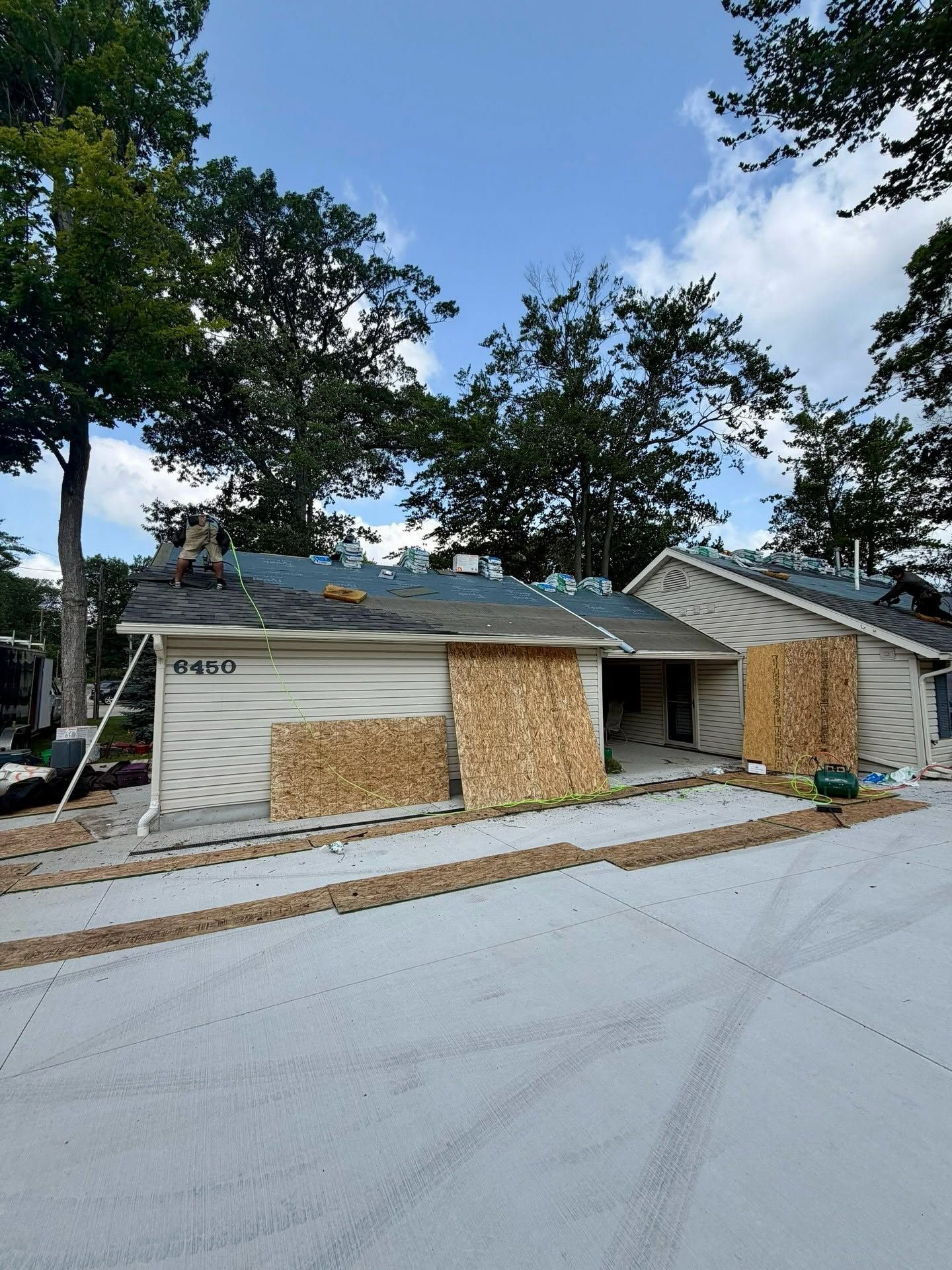
Shingles installed incorrectly, whether due to improper nailing patterns, inadequate underlayment, or incorrect shingle overlap, can experience premature failure regardless of the material's inherent quality or durability. This improper installation often becomes apparent through issues like shingles that lift easily in moderate wind, inconsistent granule loss patterns, or leaks occurring sooner than would be expected for a properly installed roof. Identifying installation-related issues typically requires professional assessment, since these problems aren't always immediately obvious to homeowners without specific roofing expertise. Working with an experienced roof repair services provider helps ensure any installation-related damage is properly diagnosed and corrected, rather than simply patching symptoms without addressing the underlying installation flaw. This preventable cause of damage underscores the importance of choosing a qualified, experienced roofing contractor for any initial installation or shingle replacement project.
6. Ice Dam Formation in Colder Climates
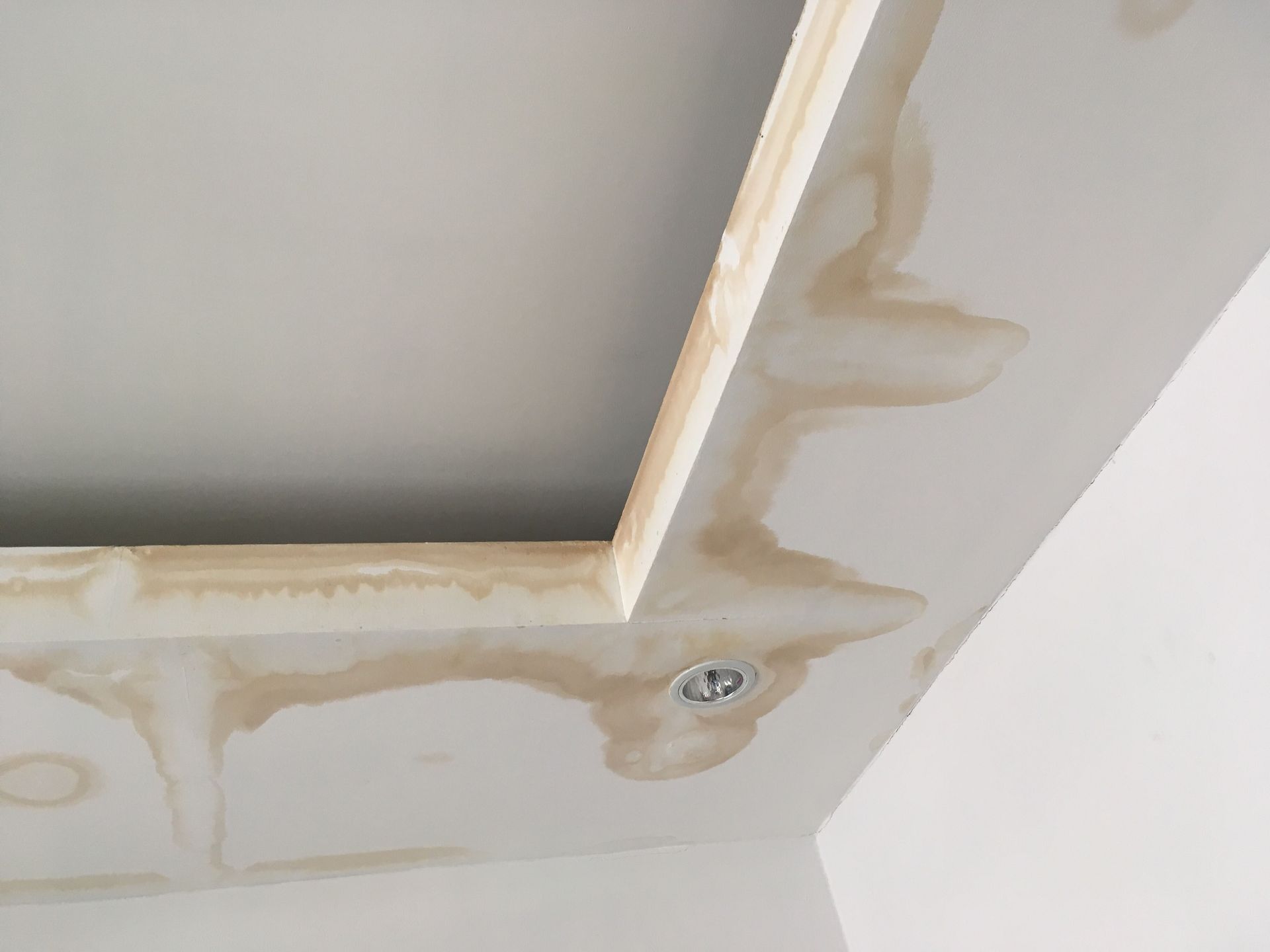
Homes in regions experiencing significant snowfall and freezing temperatures face the additional risk of ice dam formation, a condition where melting snow refreezes along roof edges, creating a barrier that traps water and forces it beneath shingles. This trapped water can lead to significant shingle damage, along with potential leaks into the attic and interior living spaces if the ice dam persists throughout the winter season. Ice dams often result from inadequate attic insulation or ventilation, allowing heat to escape unevenly and creating the temperature differential needed for this freeze-thaw cycle to occur along roof edges. Addressing both the ice dam itself and any underlying insulation or ventilation issues typically requires professional roof repair services experienced with this particular cold-climate challenge. This seasonal risk represents an important consideration for homeowners in regions that regularly experience significant winter weather conditions.
7. Natural Aging and Wear Over Time
Even without any specific external cause, asphalt shingles naturally wear down over time simply due to age, gradually losing their protective granules and becoming increasingly susceptible to cracking, curling, and other forms of deterioration. Most asphalt shingle roofs have an expected lifespan ranging from roughly twenty to thirty years, depending on the specific shingle quality and regional climate conditions. As roofs approach this age range, homeowners should pay closer attention to signs of general wear, scheduling more frequent inspections to catch potential issues before they lead to more significant problems like leaks or structural damage. Working with a knowledgeable roof repair services provider can help homeowners understand where their specific roof falls within this expected lifespan and what maintenance or repair needs might be anticipated. This natural aging process represents an inevitable consideration for all asphalt shingle roofs, regardless of how well they've otherwise been maintained.
At Complete Roofing & Repair, we understand how important it is to catch and address roof damage promptly, and we're committed to providing thorough, reliable roof repair services to protect your home from the many common threats asphalt shingle roofs face. Our experienced team conducts detailed inspections to identify the root cause of any damage, ensuring repairs genuinely address the underlying issue rather than simply treating surface-level symptoms. We believe that proactive maintenance and honest assessments are essential to helping homeowners protect their roofing investment for years to come. Whether you're dealing with storm damage, natural wear, or another common roofing concern, our knowledgeable team is here to help. If you're noticing signs of shingle damage on your roof, contact Complete Roofing & Repair today to schedule your
roof repair services consultation.