October 12, 2026
Roof flashing serves as a critical protective barrier installed at roof intersections and wall protrusions to prevent water seepage. Contractors typically install these impervious metal strips around chimneys, plumbing vents, and skylights to direct rainwater safely down shingle planes. Materials commonly used for flashing include galvanized steel, aluminum, and copper due to their high durability and water resistance. Proper installation ensures complete protection against water ingress, extending the lifespan of your residential roofing system. Investing in professional installation prevents water damage across vulnerable roof seams.
Comparing Flashing Materials
Roofing contractors employ various metal flashing materials, with each option offering unique performance benefits based on local climate conditions. Galvanized steel remains popular due to its high strength and affordability, though it requires routine maintenance to prevent rust formation over time. Aluminum offers lightweight handling and natural rust resistance, making it an ideal choice for residential homes. Copper commands a higher initial price point but delivers unmatched aesthetic appeal, exceptional longevity, and superior weather resistance. Selecting appropriate materials ensures your residential roofing system resists severe weather exposure.
Spotting Leaking Causes
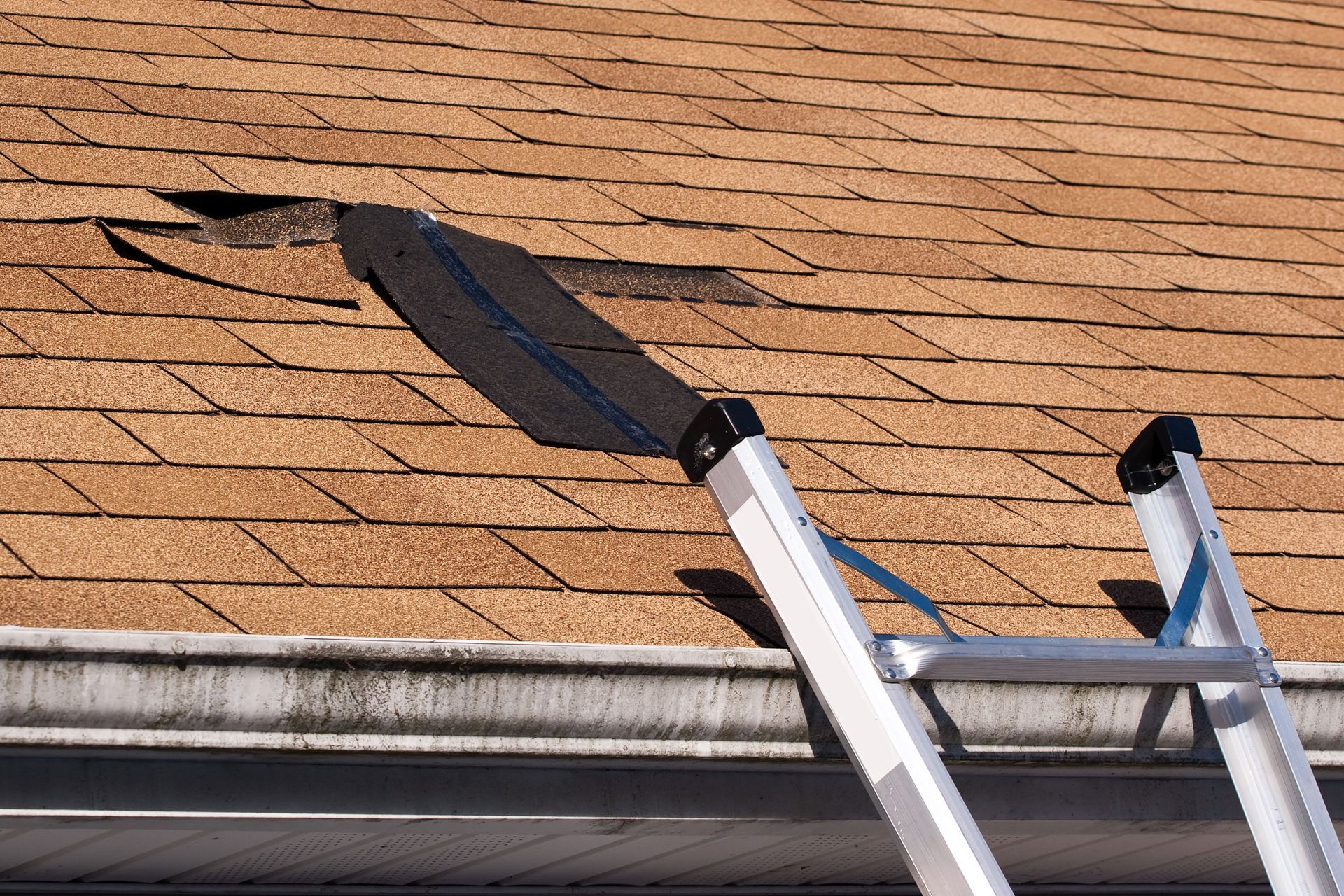
Flashing leaks frequently result from natural material aging, severe weather exposure, and original installation errors. Over decades of thermal expansion and contraction, metal strips can corrode, crack, or pull away from vertical masonry walls. Inadequate fastener placement creates small gaps that allow wind-driven rain to penetrate underneath shingle courses. Settling foundation walls can warp metal components, compromising protective overlap joints. Identifying these underlying failure causes allows homeowners to schedule targeted roof repairs before interior water damage occurs.
Detecting Chimney Leaks
Detecting chimney leaks early begins with identifying visible interior water stains on ceilings or walls surrounding the fireplace structure. Exterior brickwork might display efflorescence, a powdery white mineral deposit that indicates continuous moisture absorption through masonry joints. Homeowners often notice a damp, musty odor indoors, signaling active mold growth behind drywall layers. Inside the fireplace, rusted metal dampers indicate that water is migrating downward past damaged chimney flashing. Promptly addressing visible warning signs prevents extensive ceiling, drywall, and structural timber damage.
Inspecting Roof Junctions
Thorough roof inspections require specialized tools and safe testing methods to locate subtle leak entry points accurately. High-powered flashlights help homeowners examine dark attic spaces for damp roof decking, water tracks, or rusted nail heads. Binoculars allow safe ground-level visual checks of upper roof valleys, chimney counter-flashing, and vent boots. Performing controlled water tests by spraying specific roof sections helps isolate elusive leaks while monitoring interior spaces. Conducting routine visual inspections with proper tools ensures timely detection of compromised roof seams.
Removing Toxic Mold
Remediating interior mold growth immediately following a leak event protects indoor air quality and family health. Once water intrusion occurs, treating affected drywall or attic framing with antimicrobial solutions prevents dangerous spore expansion. Extensive or recurring mold infestations require professional remediation services to isolate spores and sanitize interior living spaces safely. Simultaneously repairing the underlying flashing failure stops moisture entry, preventing future mold outbreaks. Rapid remediation preserves interior home health while protecting wooden structural framing.
Hiring Expert Roofers
While homeowners can address minor cosmetic issues, complex leak repairs require professional roofing expertise to ensure lasting structural integrity. Extensive water intrusion, persistent ceiling leaks, and structural timber rot demand experienced trade evaluation and specialized repair techniques. Certified technicians possess specialized equipment and safety gear to diagnose hidden leak paths accurately. According to Home Guide, most minor roof repairs take between 30 minutes and a full day to complete successfully. Seeking professional assistance prevents costly repair mistakes and guarantees long-term roof dependability.
Budgeting Repair Expenses
The financial investment required for flashing restoration depends on damage severity, roof pitch, and selected material types. Basic DIY repairs might cost under a hundred dollars for basic sealants, whereas professional restoration involves labor and equipment expenses. According to industry pricing benchmarks, professional roof repairs can usually be completed within a single day, minimizing total labor expenses for homeowners. Selecting durable copper or stainless steel increases material costs upfront but delivers decades of maintenance-free service. Weighing immediate repair costs against long-term structural protection ensures informed home maintenance budgeting.
Preparing Repair Surfaces
Preparing the surrounding roof area properly ensures replacement vent boots seal flat against the roof deck without gaps. Technicians carefully remove surrounding shingles, clear old roofing cement, and extract exposed nails around the damaged vent baseplate. Surface cleaning removes accumulated dirt, algae, and loose granules, allowing fresh sealants to bond securely. Gathering all required fasteners, replacement boots, and flashing membranes beforehand streamlines the installation process. Proper preparation establishes a clean foundation for lasting vent boot repairs.
Maintaining Flashing Integrity
Developing a long-term maintenance routine protects vent flashing against sudden material degradation and unexpected storm leaks. Performing bi-annual attic and rooftop inspections catches cracked rubber collars and loose baseplate fasteners before leaks develop. Proactively applying fresh elastomeric sealant over aging seams prevents premature failure of protective rubber boots. Professional contractors can perform detailed structural assessments to catch hidden roof issues that homeowners overlook. Routine care ensures your investment in roof repairs provides continuous home protection.
Performing Seasonal Maintenance
Executing targeted seasonal maintenance tasks prevents weather-related flashing displacement and water backup under shingle edges. In autumn, clearing leaves and twigs from gutters ensures rainwater drains freely off the roof edge without backing up. Winter care includes monitoring eave edges for ice dam formation, which forces melting water under step flashing layers. Spring offers the ideal opportunity to inspect winter wear, replace cracked sealants, and prepare shingles for summer heat. Seasonal care keeps your roofing system performing at peak efficiency year-round.
Choosing Quality Materials
Selecting commercial-grade materials represents the most effective strategy for preventing premature flashing failure and recurring leaks. Heavy-gauge copper, stainless steel, or thick galvanized metal components resist physical impact, corrosion, and severe weather exposure. Premium rubberized underlayment membranes self-seal around nail penetrations, providing a secondary defense against water intrusion. Though high-performance materials require a larger upfront investment, they deliver superior long-term reliability and reduced maintenance costs. Investing in quality components ensures lasting weather protection for your home.
Scheduling Professional Inspections
Scheduling periodic professional inspections provides expert technical evaluation of hard-to-reach roof sections and hidden structural components. Licensed roofing contractors utilize technical expertise to identify hairline flashing cracks, compromised underlayment, and subtle shingle lifting. Experienced tradesmen recommend proactive equipment upgrades, such as heavy-duty metal valley liners or advanced synthetic underlayment. Timely component replacements eliminate minor vulnerabilities before severe weather causes structural home damage. Professional oversight maximizes the lifespan and protective quality of your entire roof system.
Deploying Flashing Innovations
Adopting modern flashing innovations introduces high-performance materials and advanced sealing technology to traditional roofing systems. Self-adhering butyl membranes and flexible EPDM flashings conform tightly to complex architectural shapes, delivering superior water resistance. Eco-friendly composite materials offer high durability while resisting harsh thermal expansion better than traditional metals. Smart sensor networks can now be installed along critical roof seams to monitor moisture levels and report leaks remotely in real time. Deploying advanced technology ensures your home remains protected against severe weather challenges.
Maintaining watertight flashing around chimneys, skylights, and plumbing vents is essential for preserving structural home integrity. Understanding how flashing functions, recognizing early leak symptoms, and executing timely roof repairs protects your property from expensive water damage. Routine inspections and proactive maintenance ensure your roofing system performs reliably through all seasonal weather extremes. Contracting certified professionals for complex structural maintenance guarantees safe, long-lasting repair execution. To schedule a comprehensive rooftop inspection or secure expert leak restoration, contact Complete Roofing & Repair.